Black and White
In a world overflowing with colour, black and white photography invites us to pause.
When the colour is stripped away, what remains is essence - texture, light, shadows, and soul. The piercing gaze of a grizzly feels closer, more honest, almost confrontational.
Black and white prints don’t distract; they reveal. They ask us to look deeper, beyond feathers and fur, into emotion, behaviour, and story.
In wildlife photography, black and white is not the absence of colour - it is the presence of meaning. It reminds us that nature doesn’t need embellishment to be powerful. Its strength lives in form, in movement, in the quiet moments between action.
Sometimes, by removing what is expected, we discover what truly matters
Haunting sound in the forest
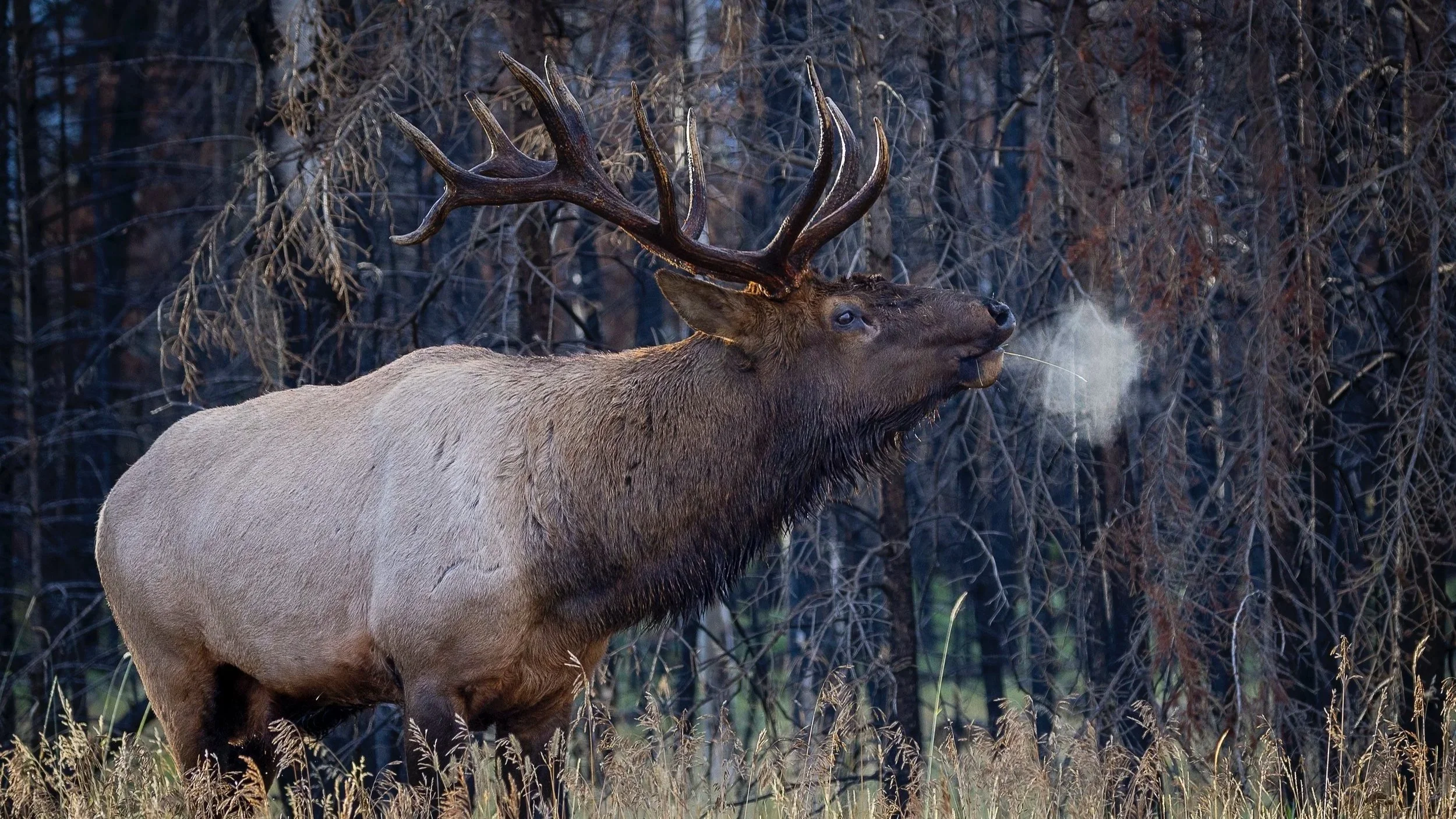
The sound of a bull elk calling in the fall rut is raw and ancient.
It rises from deep in the chest— a long, trembling bugle that starts low, climbs into a piercing scream, then breaks into rough, grunting chuckles. The air seems to tighten around it. Frosted meadows hold still, pines stand like witnesses, and the call rolls through valleys as if the mountains themselves are answering back.
It’s not just a sound—it’s a challenge, a declaration of strength and survival, wild and unfiltered, carrying the weight of autumn, the coming cold,and thousands of years of instinct.
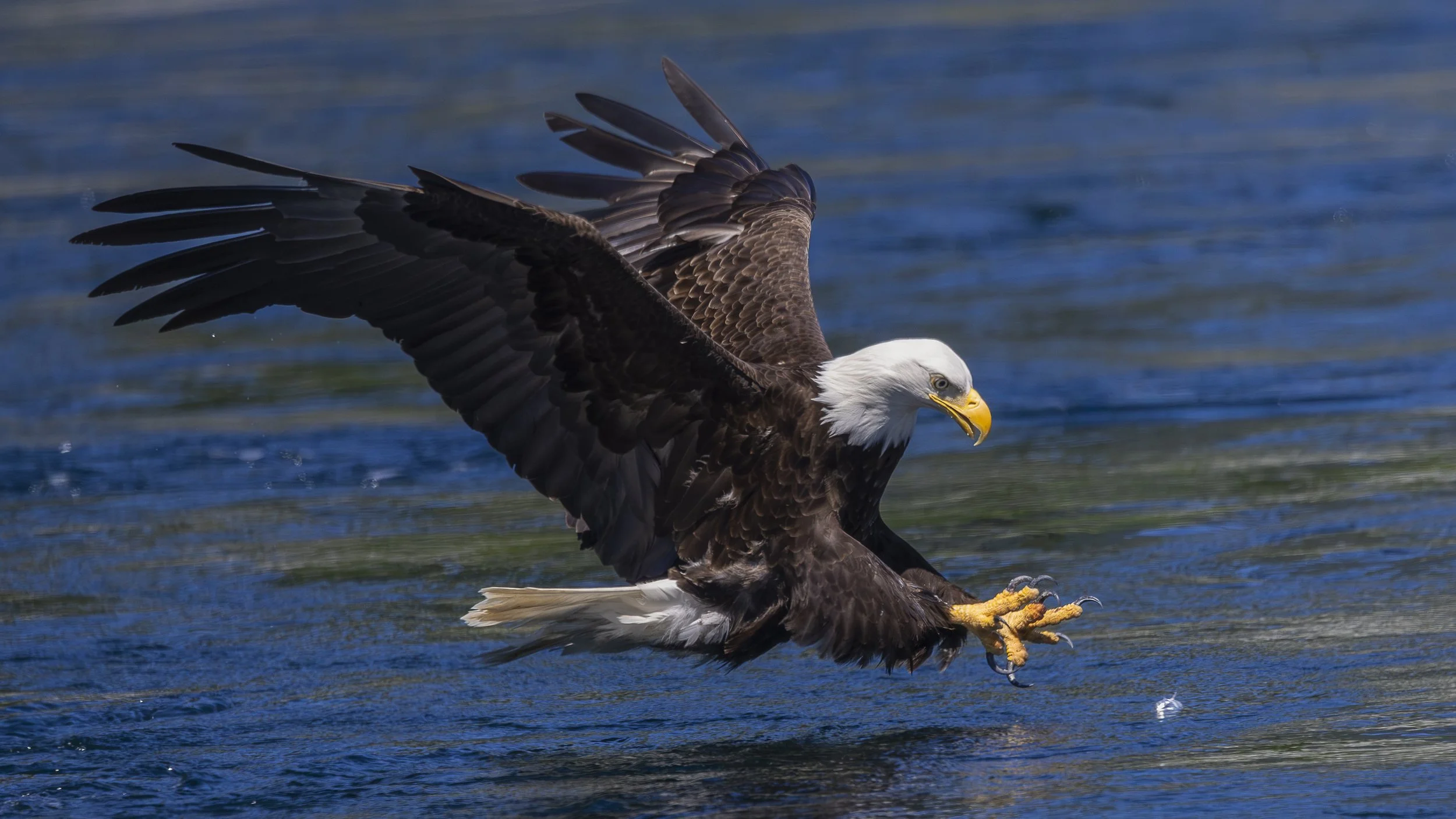
“Where words fall short, images speak”
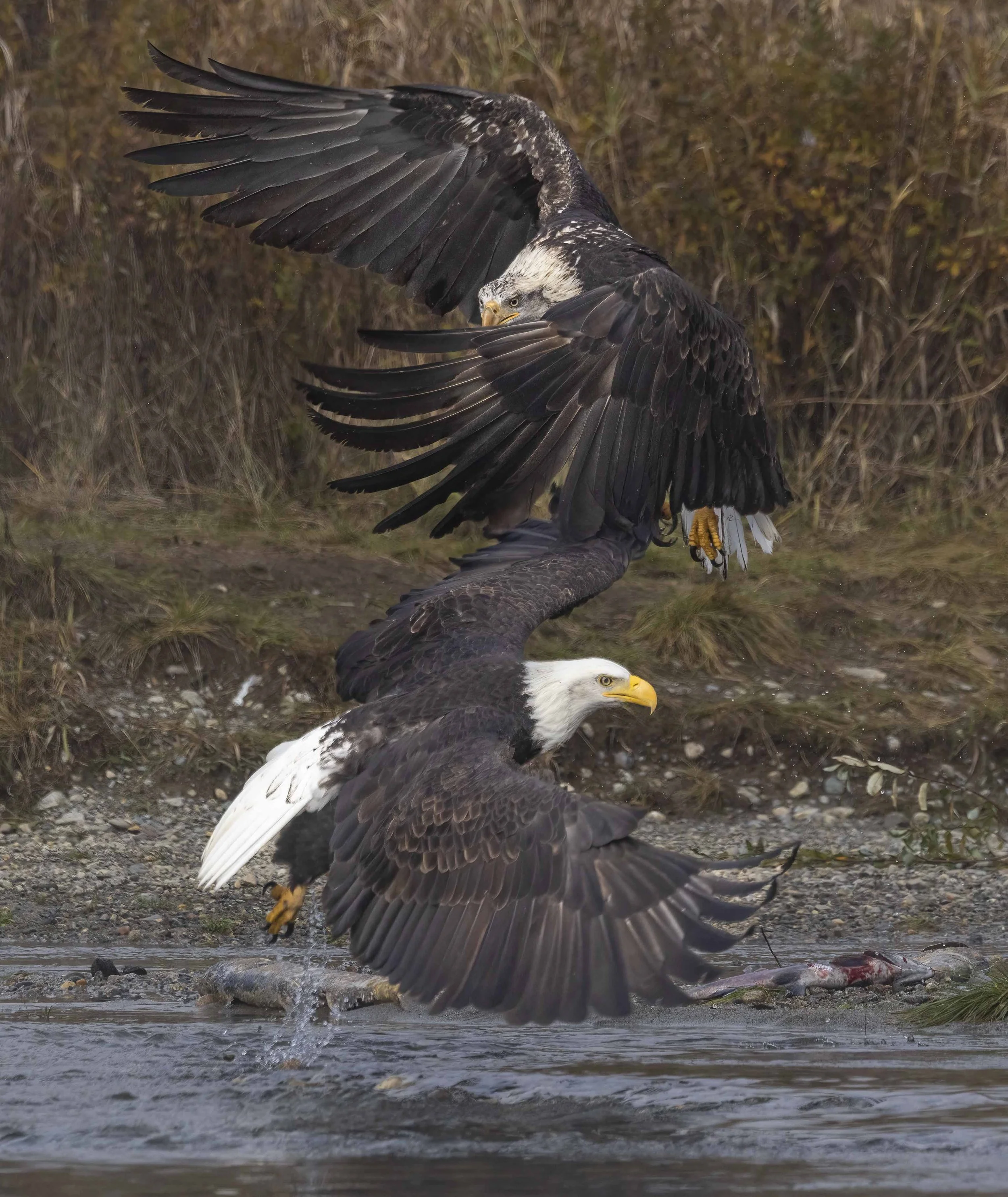
I remember, as a child, watching a bald eagle swoop down and lift a fish from the surface of a lake. I was alone in that moment, and when I tried to tell my parents what I had seen, I couldn’t find the words to capture it.
For me, an image becomes a way to communicate what language once failed to express—to show others what I witnessed, and perhaps help them rediscover moments they, too, have seen and felt.
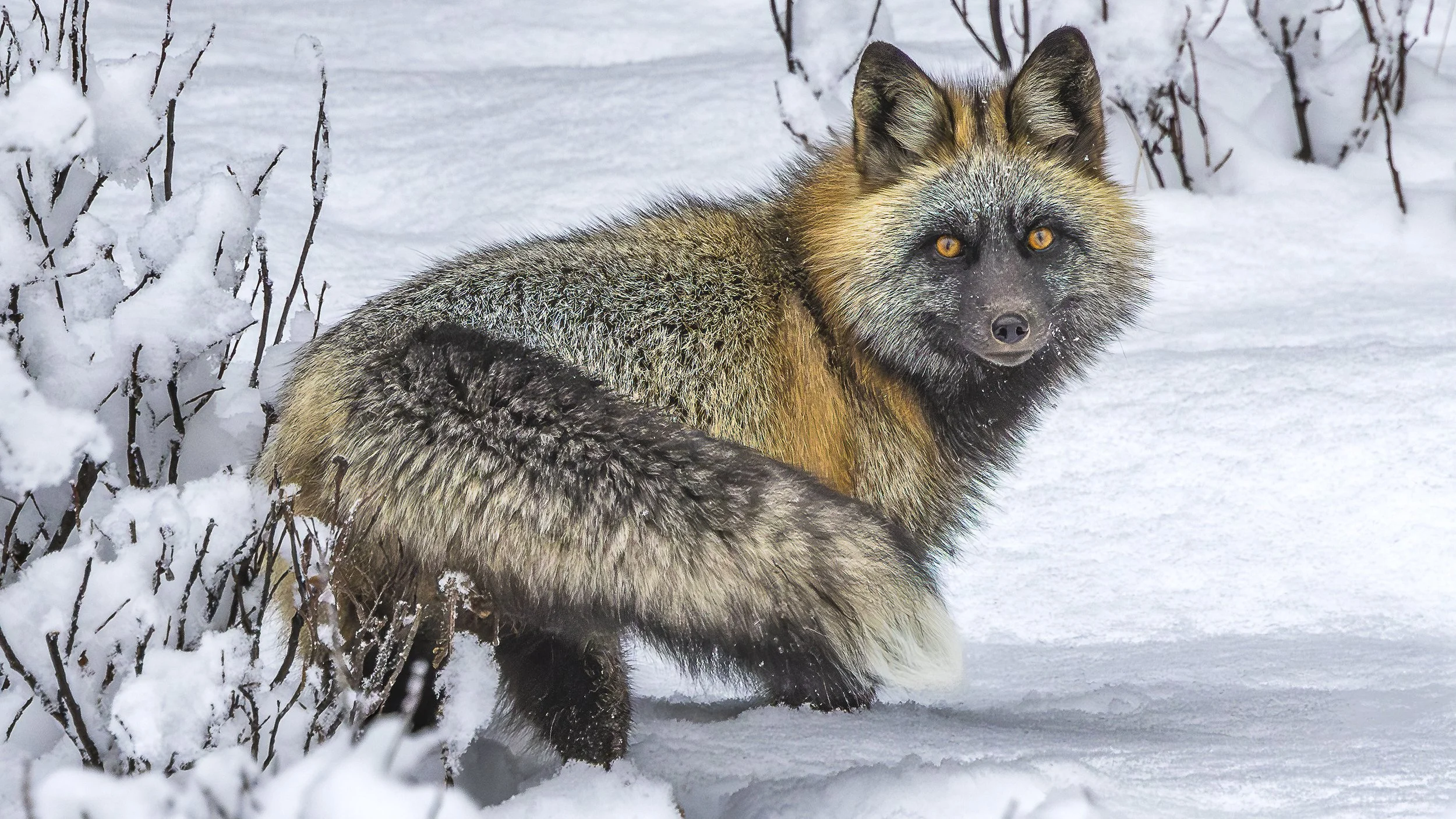
Curiosity
I feel that curiosity is essential in wildlife photography. It encourages me to explore subtle shapes and sounds, often leading to moments I might otherwise miss. This cross fox in the snow first revealed itself by a slight movement in the distance. What makes the moment even more compelling is that the fox seemed just as curious about me, pausing to watch me before continuing its hunt.
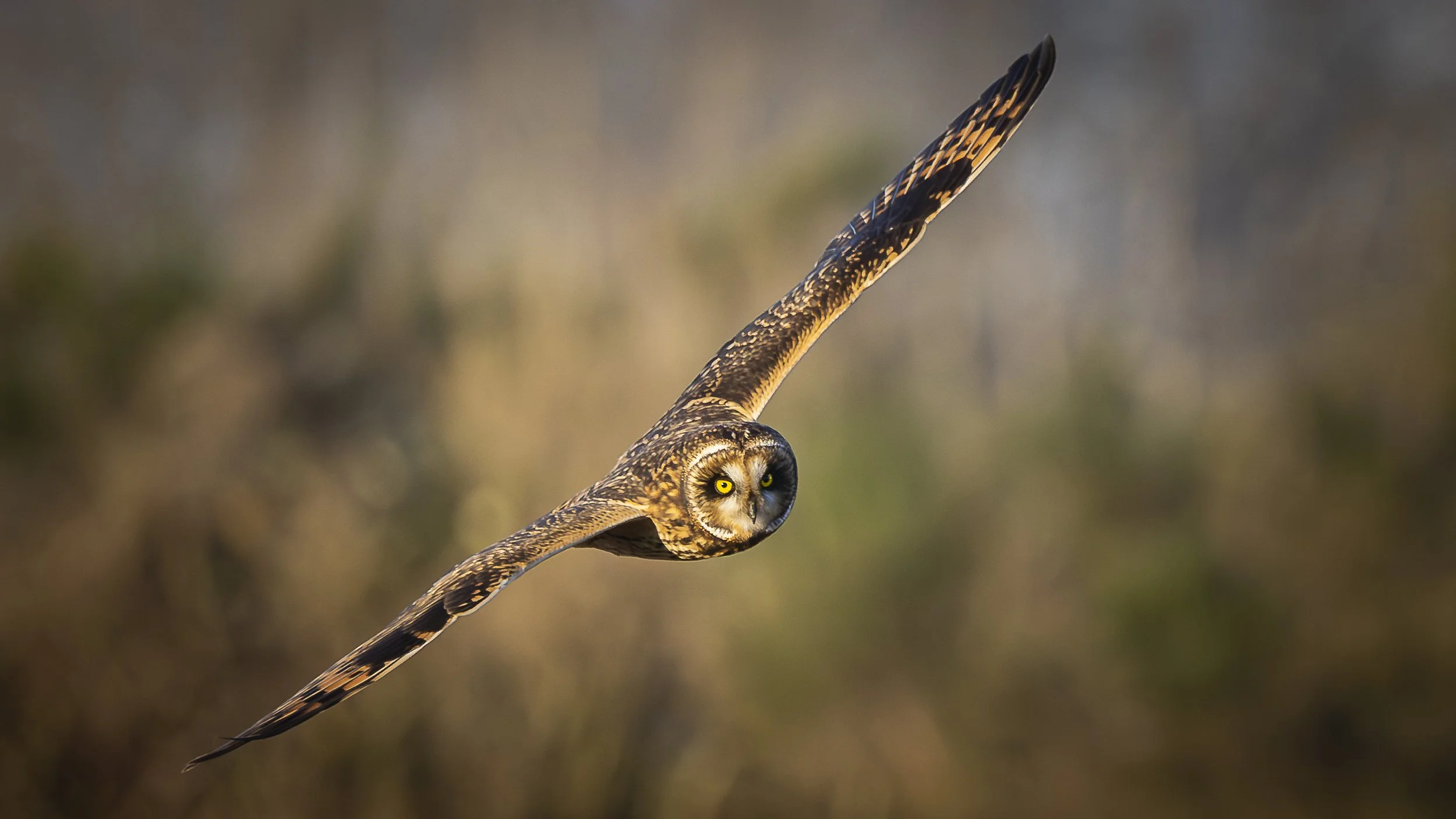
Through Their Eyes
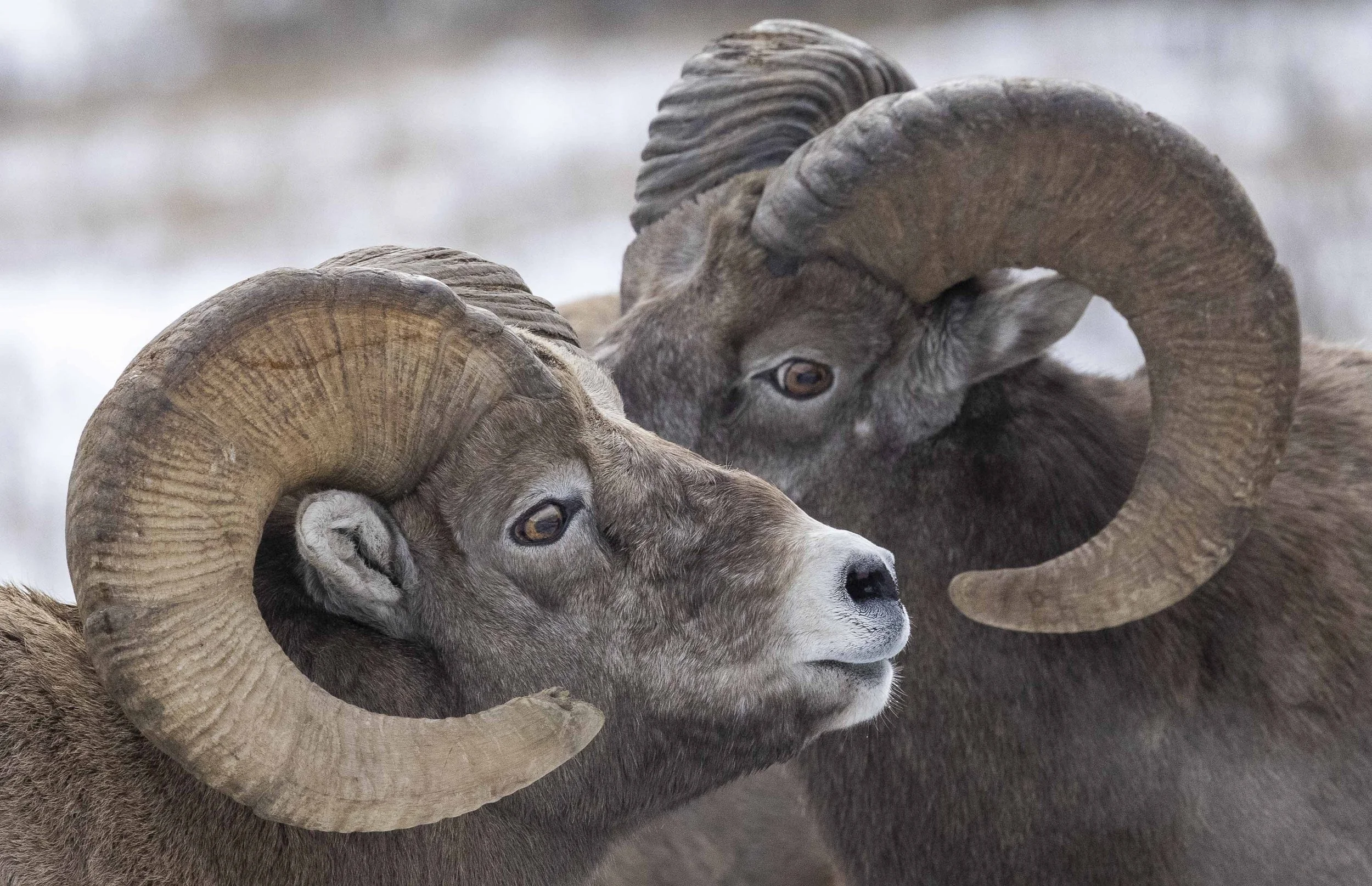
The eyes of an animal or bird tell a story. In the intensity of the hunt or a quiet stare toward the horizon, I find myself wondering what they are seeing. I love capturing images where the animal’s eye is tack sharp, because it draws me closer to their soul.
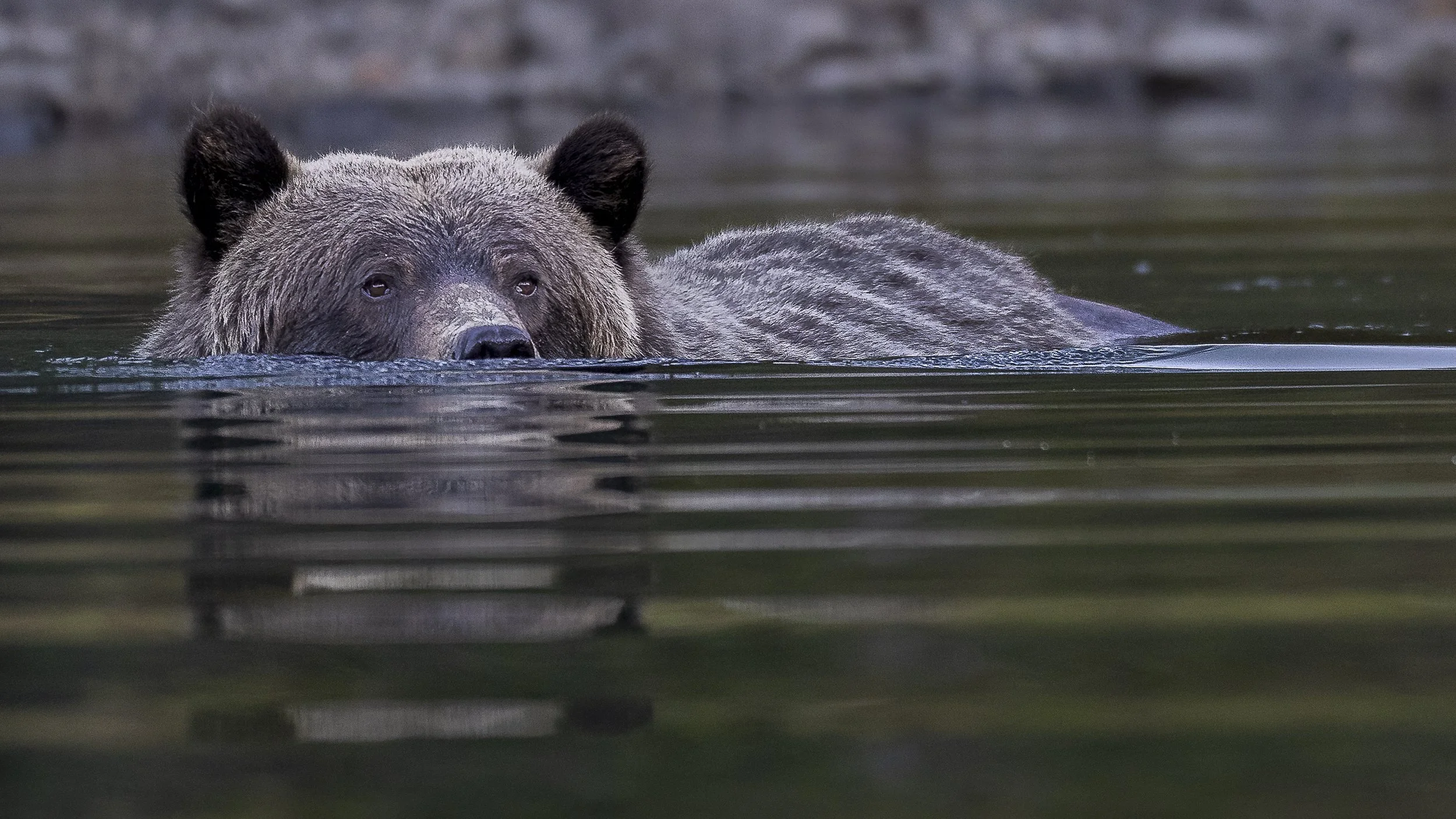
Perspective
Changing the height of the camera changes the relationship to the subject. A low perspective can create intimacy; a higher one can introduce distance or narrative. These images explore how viewpoint influences emotion, scale, and connection—reminding us that how we see is as important as what we see.